Add your promotional text...


Understanding MICA and VASP Registration: Implications for Payment Operators in Europe
REGULATIONFINTECH
5/13/20262 min read
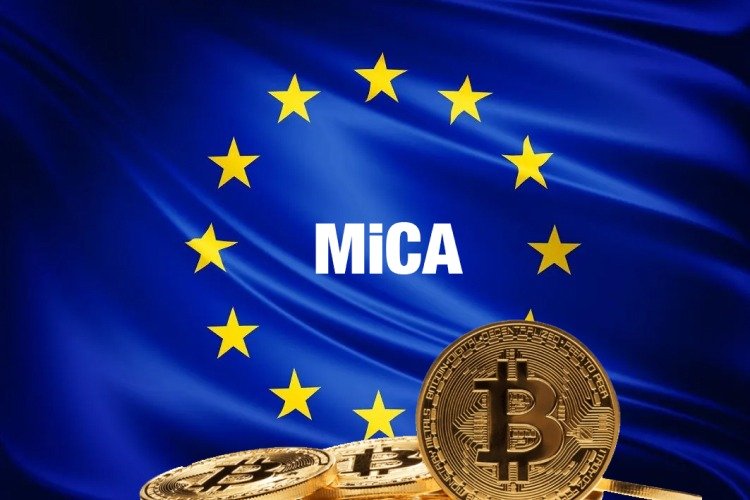
Introduction to MICA and VASP Registration
The Markets in Crypto-Assets Regulation (MICA) is a legislative framework introduced by the European Union (EU) aimed at regulating digital assets comprehensively. This regulation is significant for ensuring that various cryptocurrency activities, including trading, custody, and management of crypto assets, fall under a stringent regulatory umbrella. The implementation of MICA is crucial for establishing a secure environment for both operators and consumers in the rapidly evolving landscape of financial technology.
The Role of VASP Registration in MICA
Virtual Asset Service Providers (VASPs) play a pivotal role in the crypto ecosystem. Under MICA, VASP registration becomes mandatory for all firms providing services related to virtual assets. This requirement is aimed at increasing transparency and accountability among operators in the sector. By ensuring that VASPs adhere to rigorous standards, the EU seeks to mitigate risks associated with money laundering, fraud, and other illicit activities often linked to cryptocurrency transactions.
Implications for Payment Operators in Europe
The implications of MICA and VASP registration for payment operators in Europe are extensive. Firstly, operators must prepare for the transition from less regulated environments to a framework that mandates compliance with comprehensive rules. This adjustment will likely require modifications to existing business models, legal frameworks, and operational strategies.
Additionally, payment operators will need to invest in compliance structures to ensure that they meet the necessary regulatory requirements. This might involve adopting advanced technologies for monitoring transactions and enhancing cybersecurity measures. Moreover, the integration of VASP registration presents an opportunity for payment operators to elevate their market credibility. By demonstrating compliance with MICA, these operators can build trust with consumers and investors alike.
Furthermore, the regulation promotes a level playing field, allowing payment operators to compete fairly and responsibly. As the regulatory landscape matures, those who align themselves with MICA's requirements may find themselves at a competitive advantage, particularly as consumers increasingly demand secure and regulated environments to transact with cryptocurrencies.
In conclusion, understanding MICA and its implications for VASP registration is vital for payment operators in Europe. As the regulatory landscape continues to evolve, adapting to these changes will be crucial. Embracing compliance not only mitigates risks but also opens new avenues for growth and trust among users in the digital asset space.
© 2026 Yakara Strategy. All rights reserved.


YAKARA Strategy
Legal & Privacy